When a child chokes at a school fair or an older neighbour breaks down at a community conference, the initial person to act is seldom a medical professional. It is generally a parent, a trainer, a belief leader, or a volunteer who occurred to be nearby. That space between case and rescue is where fast first aid training earns its value.
Many volunteers understand this, yet they think twice to enrol since they expect long days in a class, complicated medical jargon, and thick handbooks they will certainly never ever open up once more. Done badly, a first aid course can really feel exactly like that. Succeeded, fast first aid courses offer active area leaders practical skills in a concentrated, time-efficient format, without watering down the essentials.
This guide makes use of what really assists people perform under pressure, not simply pass an evaluation. If you arrange events, lead a neighborhood team, or coordinate volunteers, you are specifically that fast first aid and CPR training is developed to support.
Why speed issues for area training
Community volunteers stay in the real world of child care pick-ups, change job, and restricted budget plans. Inquiring to participate in a two-day first aid and CPR course with travel and overdue pause typically suggests they never ever register. The result is an area filled with eager assistants that really feel unprepared.
Fast first aid training takes on three sensible constraints.
First, time. A well made express first aid course values that participants will only preserve a limited number of skills, so it focuses on the ones that conserve lives in the initial mins: CPR, choking, severe blood loss, unconsciousness, and a few key injuries.
Second, focus. Lots of people learn better in short, intense bursts than in lengthy talks. Fast first aid courses use scenarios, hands-on practice, and quick responses loops rather than long theoretical presentations.
Third, necessity. Neighborhood events move quickly. When something fails, a leader requires a clear psychological manuscript: examine security, call for aid, start the most vital treatments. Fast first aid training classes are developed around that script so that the right activities surface area under stress.
Speed, nonetheless, does not indicate reducing corners with security or quality. The goal is not just a fast certification, it is reputable, repeatable abilities that work in the messiness of real life.
What "fast" must and need to not mean
I have actually seen 2 really different versions of fast first aid courses.
One model packs the exact same product right into less time, typically by missing technique or hurrying assessments. Participants leave with a first aid certificate however little self-confidence. They could keep in mind the recovery position for a week or two, however months later, the information blur.
The various other model is selective. It accepts that you can not understand everything in 3 or 4 hours, so it focuses ruthlessly on:
- The top few emergency situations most likely to happen in that community The activities that offer the largest advantage in the smallest time Simple protocols that are very easy to remember a year later
If you are evaluating a fast first aid course near you, seek this second design. It will certainly feel oddly basic in the minute. That is deliberately. You are not training to be a paramedic. You are training to be an efficient first responder till paramedics arrive.
The word "fast" must explain the shipment approach, not the attitude. The course itself might be shorter, but it should still consist of genuine practice, instructor responses, and time to ask inquiries regarding uncommon circumstances you have in fact faced at events.
Skills that make the most significant difference
In community settings, certain emergencies repeat: choking at a barbeque, chest discomfort at a conference, sporting activities injuries at youth programs, passing out in lines, cuts from devices at the workplace , and clinical episodes like bronchial asthma or diabetes.
A strong fast first aid or express first aid training course has a tendency to concentrate on a core set of skills.
CPR and use of defibrillators
Cardiac arrest is unrelenting. Survival drops with every minute without effective CPR. That is why premium quality CPR training sits at the centre of any type of first aid and CPR course.
The most reliable CPR courses for volunteers take a basic technique. They do not sink you in proportions or edge-case variants. They show a clear sequence, they drill it consistently on manikins, and they build convenience with automated exterior defibrillators (AEDs), which are significantly common in neighborhood places. An express CPR course can be as short as 1 to 2 hours, yet still change just how ready a person really feels to tip in.
I have actually enjoyed nervous participants at the start of a fast CPR course barely touch the manikin. Ninety mins later on they are counting compressions aloud with strong method and a clear plan for calling for aid. That change just occurs when method time is safeguarded, also in an express CPR training format.
Choking and respiratory tract problems
Choking occasions often occur in active, loud environments where panic spreads out quickly. Understanding how to identify partial versus full obstruction, exactly how to provide abdominal thrusts, and exactly how to modify your technique for an infant or expectant person is crucial.
An excellent first aid and CPR training course utilizes practical role play. You will rise, guarantee a partner, and simulate back strikes and drives. It feels significant in the classroom, however that physical memory is precisely what takes over when an actual kid starts to choke on a grape at a neighborhood lunch.
Severe blood loss and wounds
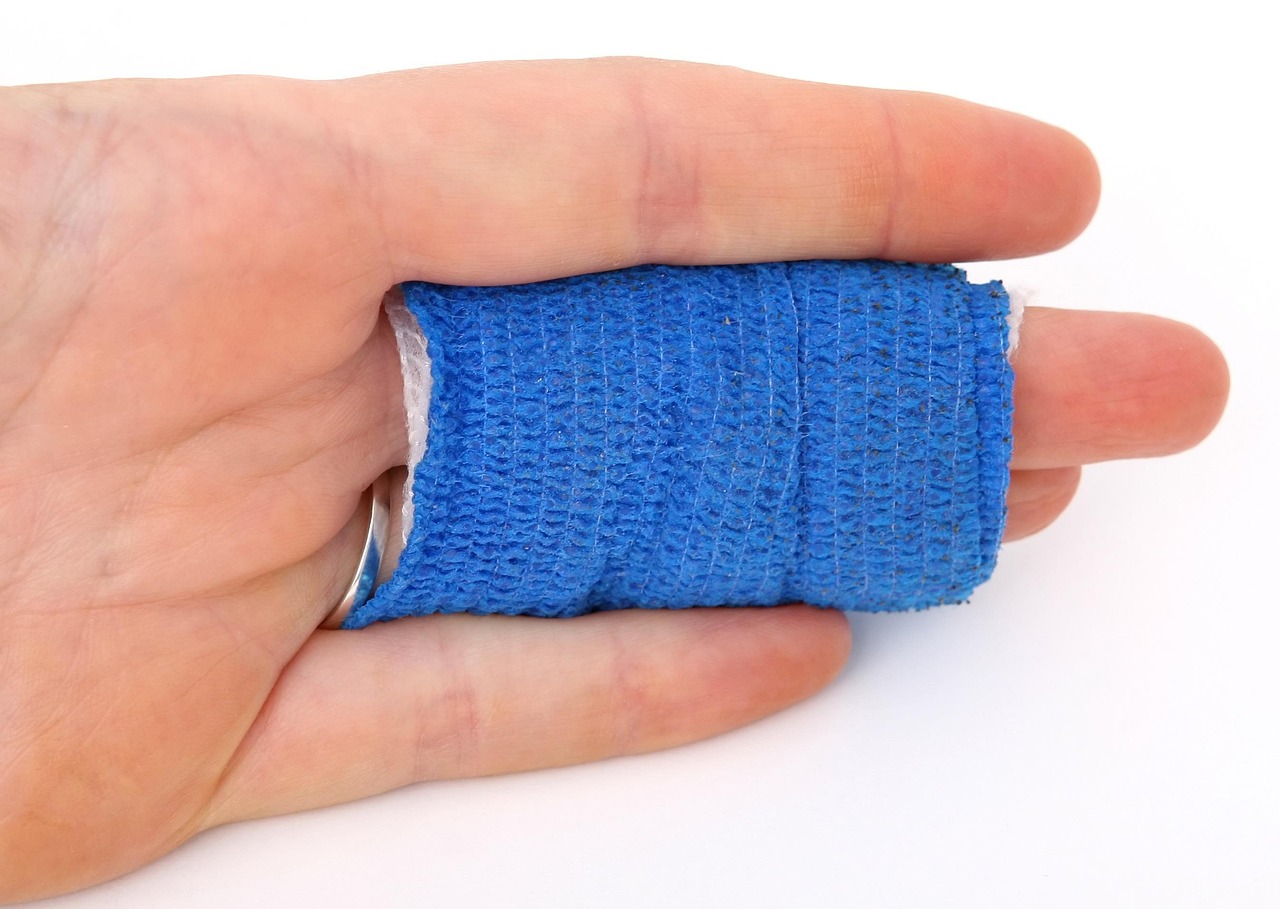
External blood loss is among one of the most visual and facing emergencies. People typically ice up or undervalue the seriousness. Efficient fast first aid training teaches an extremely straight approach: expose the wound if risk-free, use strong pressure, include dressings, and do not get rid of soaked bandages.
It likewise helps participants consider improvised products. At a regional celebration, you may not have a stocked first aid kit within arm's reach. A folded Tee shirts, a tidy cloth, or perhaps your own hand with a glove can serve up until an appropriate bandage shows up. The objective is simplicity, not book perfection.
Unconsciousness and the healing position
Finding someone less competent but breathing usually unnerves even skilled volunteers. A solid fast first aid course will stroll you detailed through checking responsiveness, opening the air passage, assessing breathing, and placing the person right into a recovery placement while shielding the neck and keeping the air passage clear.
Practice matters here. Many individuals just understand exactly how uncomfortable it can be to roll a grown-up right into a stable placement once they attempt it on the floor. A class that allows you actually roll a partner is even more valuable than one that just shows diagrams.
Common clinical conditions
Community leaders are not expected to diagnose, yet they can acknowledge patterns. Short, focused first aid training can cover classic indications of bronchial asthma assaults, extreme allergic reactions, diabetic hypoglycaemia, and strokes, with basic actions to take while waiting for professionals.
Here, the nuance lies in avoiding insolence. A great instructor will emphasize that your work is to secure, not fix. Provide suggested medicine if the individual can handle it, call emergency situation services early, and monitor changes, instead of attempting amateur medical choice making.
Express childcare first aid for young people workers and parents
Childcare atmospheres and young people programs existing details challenges. Youngsters collapse right into each various other, trying out foods, and experience quick temperature level adjustments between activities. An express childcare first aid course recognizes this reality and concentrates on situations that team and volunteers truly encounter.
In my experience, the most important express child care first aid training consists of a couple of extra aspects beyond general very first aid.
First, child and infant CPR. The technicians, depth, and ratios differ from grown-up CPR, and many individuals really feel particularly distressed concerning continuing a kid's upper body. Multiple brief cycles of practice on baby and youngster manikins develop trust in your hands.
Second, taking care of small but remarkable injuries. Nosebleeds after play ground collisions, divided lips, and knocked-out teeth all create substantial distress in children, moms and dads, and team. Clear, practiced routines calm everybody. Fast first aid courses tailored to child care often give easy scripts you can repeat to both the youngster and their caregivers.
Third, anaphylaxis and allergic reaction management. With increasing allergy occurrence, understanding just how to recognise an allergic reaction, utilize an auto-injector, and collaborate with emergency solutions is non-negotiable in childcare and institution settings. Express child care first aid courses currently normally include auto-injector method on trainer devices.
Fourth, interaction with moms and dads and paperwork. Volunteers and teachers frequently worry about what to write after an event. Training that includes actual sample types and short debrief methods aids keep trust fund and legal protection.
Express child care first aid courses do not attempt to transform instructors right into nurses. They furnish them with a steady, rehearsed feedback for the sort of injuries and health problems that appear day after day amongst children.
Structuring fast first aid and CPR training for a community group
When I work with community organisations, one of the most effective programs seldom begin with "What material should we cover?" Rather, they begin with "When something goes wrong at one of our events, who actually acts, and where are they standing?"
Take a neighborhood sports club as an instance. Coaches are on the area, moms and dads get on the sidelines, and the club assistant could be in the canteen. Each has different exposure and various time to respond. A fast first aid course for this group may be structured into three brief modules throughout a solitary evening.
The initially component concentrates on prompt, on-field actions: evaluating danger, taking care of back issues, managing bleeding, and asking for help.
The second concentrates on CPR and making use of the club's AED, because cardiac arrests, though rare, have tragic effects in sport.


The 3rd covers common however less essential injuries such as sprains, minor cracks, and heat-related health problem, in addition to basic return-to-play advice while emphasising that clinical clearance belongs to health and wellness professionals.
Across these components, the same core concepts are repeated in different contexts. Security first, quick evaluation, easy interventions, very early escalation.
Fast CPR correspondence course fit nicely right into this version. Rather than re-teaching every little thing annually, a 60 to 90 minute fast CPR course can take another look at core strategies, right drift in hand positioning or compression depth, and integrate any type of changes in guidelines. Participants value that their previous understanding is respected, not reset.
What every fast first aid course need to include
Not all first aid training is produced equivalent. Fast layouts in particular differ widely in high quality and emphasis. When you are picking express first aid courses or fast CPR courses for your volunteers, seek these core components.
Clear learning outcomes that match your context, not generic promises. Substantial hands-on exercise with CPR manikins, recovery placements, and basic bandaging. Scenario based finding out that reflects your actual neighborhood setups, such as fetes, video games, or services. An assessment procedure that examines both abilities and self-confidence, not just composed answers. A recognised first aid certificate that satisfies regulatory or organisational requirements.If a provider can not describe exactly how they balance speed with these fundamentals, treat that as an indication. A fast first aid course that supplies a certificate without genuine capability leaves your volunteers carrying both obligation and doubt.
Choosing the ideal carrier and format
Typing "fast first aid course near me" or "express CPR course" right into an online search engine will certainly yield dozens of outcomes. Sorting with them calls for greater than contrasting prices.
A quick, structured checklist helps.
Accreditation and acknowledgment: Make sure the company's first aid and CPR courses fulfill local regulatory standards for work environments, childcare, or education, depending upon your needs. Trainer experience: Instructors that have real-world scientific or emergency backgrounds bring subtlety that scripted presenters frequently lack. Ask how they manage questions that go "off curriculum." Delivery style: Several organisations now offer mixed learning, where concept is finished online and sensible components are supplied personally as a fast first aid training session. For busy volunteers, this format can lower time on website while protecting hands-on practice. Group customisation: Community groups profit when examples and situations mirror their actual tasks. Ask whether the carrier adjusts web content for sporting activities clubs, faith communities, neighbourhood homes, or young people organisations. Post course support: Try to find brief recommendation overviews, refresher tips, or access to follow-up inquiries. Abilities fade is actual, particularly for people that rarely use their training.Sometimes, the very best remedy is to bring express first aid training on-site. Holding a course in your very own hall or clubroom decreases traveling, constructs shared understanding amongst your team, and encourages assistance from leadership who can see the value firsthand.
Balancing lawful, ethical, and sensible concerns
Volunteers and leaders typically bring silent worries that maintain them from acting. They ask whether they can be taken legal action against if they make a mistake, or whether they are even permitted to touch a person in an emergency.
A thoughtful first aid course addresses these concerns directly. While laws vary by area, numerous jurisdictions identify "do-gooder" principles that protect individuals that provide first aid in excellent belief. Your instructor ought to explain the basics pertinent to your area and enhance that not doing anything in a life threatening first aid and cpr Launceston emergency situation can be a lot more dangerous, fairly and virtually, than trying trained interventions.
Consent is an additional key topic. When a person is conscious, you should constantly ask before providing assistance, even if it is as straightforward as "I have first aid training. Can I assist you?" If they are unresponsive, the law typically assumes they would desire lifesaving support. Clear explanation throughout training constructs self-confidence to act instead of stand back.
Practical limits are equally as essential. Volunteers need to recognize where their duty ends. A fast first aid or FAP first aid course that continuously strengthens "first do no further injury, after that seek expert help" assists avoid well-intentioned however risky actions, such as relocating a person with thought spinal injury without urgent danger.
Keeping skills fresh without overwhelming people
A solitary express first aid course can produce a sharp spike in confidence, adhered to by steady decline as months pass without method. For neighborhood teams, the challenge is to maintain skills alive without asking volunteers to regularly participate in complete size courses.
Short, focused fast CPR correspondence course yearly or every number of years supply an efficient concession. They can be slotted into existing conference timetables, such as a pre-season rundown or annual preparation day. These refresher courses can additionally upgrade volunteers on any type of adjustments in resuscitation standards or local emergency situation procedures.
Informal technique aids too. I have seen clubs that invest the first 10 minutes of a committee conference running a single scenario: a spectator breaks down in the stands, a youngster is found unconscious in the restroom, a gamer has a serious bronchial asthma assault. They speak via that would do what, where the first aid set and AED are maintained, and just how they would first aid course Melbourne certainly guide emergency services to their area. No mannequins, simply psychological rehearsal. It sets you back almost absolutely nothing and enhances the fast first aid mindset regularly.
Printed or digital sign cards can likewise support retention. A straightforward, well developed card in the first aid set that describes steps for CPR, choking, extreme bleeding, and unresponsiveness can run memory when adrenaline is high. Some companies consist of these as component of express first aid courses. Otherwise, take into consideration creating your very own with trainer input.
Building a culture of preparedness in your community
First help training is not just about technological abilities. It is also about shaping how a neighborhood sees duty. In some teams, emergency situations are "somebody else's task," frequently an unrevealed "paramedic" or "the ambulance." In resilient neighborhoods, everyone approves that they may be the initial -responder and views that function as a common duty instead of a burden.
Leaders play a crucial function in this change. When a planner, pastor, trainer, or committee president goes to a fast first aid course and talks openly about what they discovered, others adhere to. When leadership allocate first aid courses and prioritises them along with equipment or advertising, volunteers understand that security is not optional icing, it is core infrastructure.
Practical steps reinforce this society. Showing the location of first aid packages and AEDs plainly at venues, including emergency situation strategies in event rundowns, and naming details people as first aid contacts for tasks all send a signal: we appreciate security and we are ready to act.
Over time, something subtle adjustments. New volunteers anticipate to do first aid training due to the fact that "that is what we do below." Parents discover that coaches are positive when dealing with injuries. Senior members really feel more secure attending occasions. The area grows not simply in size however in reliability.
Bringing it all together
Fast first aid and express CPR courses are not faster ways to tick a conformity box. At their finest, they are truthful acknowledgments of just how volunteers live and exactly how emergencies unravel. They remove non-essential complexity and spend the limited time readily available right into skills that matter most in the very first vital minutes.
Whether you are responsible for a small neighbourhood team or a large network of neighborhood leaders, consider how you can weave fast first aid training, fast CPR courses, and express childcare first aid right into the rhythm of your year. Look for companies who recognize neighborhood contexts, worth hands-on practice, and respect your volunteers' time.
You will certainly understand you have actually picked well when, at the next neighborhood event, people not just know where the first aid kit and AED are, yet additionally feel prepared to utilize them comfortably, confidently, and together. That is what transforms training right into security, and volunteers into a real very first line of care.